
Embark Behavioral HealthMental Health CounselorsUpdated on Oct 11, 2023 View more like this | Visit ATLANTA, GA | Contact Admissions Team |

Description:
Embark Behavioral Health operates an exceptional network of therapy programs across the United States including outpatient treatment in Atlanta, Georgia. We help adolescents, teens, and young adults, struggling with anxiety, depression, and other mental health and substance use issues. Our programs include virtual IOP, outpatient treatment, intensive outpatient programs (IOP), day treatment, outdoor therapy programs, residential treatment, therapeutic boarding school and transitional living.
List of Services:
Therapeutic day treatment program
Intensive outpatient program (IOP)
Trauma-focused cognitive behavioral therapy TF-CBT
Dialectical behavior therapy (DBT)
Self-management and recovery training (SMART)
Moto/Slogan:
Create Joy. Heal Generations.
Credentials:
Cognia Accredited, Joint Commission Accredited.
Business Hours:
Mon-Fri: 8:30am - 5:30pm,
Sat-Sun: Closed
Date of Company Formation:
1990
Payment Methods:
Insurance, Personal Check, Visa, Mastercard, American Express, Discover
For more information, please contact us with the following details:
Contact Telephone:
770-744-0960
Contact Email:
[email protected]
Mobile Number:
770-744-4566
Embark Behavioral Health operates an exceptional network of therapy programs across the United States including outpatient treatment in Atlanta, Georgia. We help adolescents, teens, and young adults, struggling with anxiety, depression, and other mental health and substance use issues. Our programs include virtual IOP, outpatient treatment, intensive outpatient programs (IOP), day treatment, outdoor therapy programs, residential treatment, therapeutic boarding school and transitional living.
List of Services:
Therapeutic day treatment program
Intensive outpatient program (IOP)
Trauma-focused cognitive behavioral therapy TF-CBT
Dialectical behavior therapy (DBT)
Self-management and recovery training (SMART)
Moto/Slogan:
Create Joy. Heal Generations.
Credentials:
Cognia Accredited, Joint Commission Accredited.
Business Hours:
Mon-Fri: 8:30am - 5:30pm,
Sat-Sun: Closed
Date of Company Formation:
1990
Payment Methods:
Insurance, Personal Check, Visa, Mastercard, American Express, Discover
For more information, please contact us with the following details:
Contact Telephone:
770-744-0960
Contact Email:
[email protected]
Mobile Number:
770-744-4566
SERVICES
Intensive Outpatient Program (IOP)
An intensive outpatient program (IOP) is similar to a partial hospitalization program (PHP) but sessions are conducted in the evening to accommodate school and work commitments. Our IOP is a minimum of 12 hours per week 3 hours a day, 4-6 days per week, in-person or virtual.
Residential Treatment
Residential treatment is spread from 90 days to 18 months and offers a high level of care for mental health and substance abuse issues. During long-term residential treatment, adolescents and teens can remove themselves from stressors that made mental health challenges worse in their daily lives.
Day Treatment Program
A day treatment program, also referred to as a partial hospitalization program (PHP), is a structured treatment program. Our day treatment is a minimum of 20 hours per week 5 hours a day, 5 days per week in-person.
Virtual IOP
Our insurance-reimbursed virtual intensive outpatient program connects you to select state-of-the-art outpatient clinics through our patient portal. At this time, Embark offers insurance-reimbursed virtual IOPs to residents in Georgia, Maryland, Colorado, Texas, Virginia, Arizona, and California.
Therapeutic Boarding School
Teens placed in therapeutic boarding schools leave their family home and move into year-round housing at a boarding school with other students. There, your teen will participate in academic programs and receive behavioral and family therapy while participating in recreational activities.
Transitional Living for Young Adults
Transitional living centers serve as places for youth to develop independence and confidence while transitioning back into society. Typically, your teen or young adult will stay in a program like this for about six to eighteen months while they focus on how to handle stress and triggers in society.
Outdoor Therapy
Outdoor therapy, also known as outdoor behavioral health, is a short-term experience that uses the great outdoors as the setting for healing. A typical stay is 30 to 120 days and includes outdoor skills, camping, hiking, and adventure activities, along with customized clinical intervention.
Dialectical Behavior Therapy (DBT)
DBT is a type of cognitive-behavioral therapy, also known as "talk therapy," that tries to change negative thinking patterns. In short, DBT provides teens and young adults with the skills to effectively cope with stress, decrease conflict, be mindful, regulate emotions, and improve relationships.
Self-Management and Recovery Training (SMART)
SMART Recovery combines Dialectical Behavior Therapy (DBT), which provides emotional coping strategies and group and family support. This approach provides self-help lessons designed to empower your child to control their addictive behaviors by addressing their underlying feelings and thoughts.
Experiential Therapy
Experiential therapy offers an experience-based and hands-on approach that combines individual and group outings and in-the-moment interventions with traditional talk-based therapy allowing your child’s therapist to provide help in real-world situations.
Trauma-Focused Cognitive Behavioral Therapy (TF-CBT)
TF-CBT is an evidence-based psychotherapy that is used primarily for children and teens, along with their caregivers or parents, to help them resolve the lingering effects of trauma. These effects may include the symptoms related to anxiety, depression or PTSD.
Transcranial Magnetic Stimulation (TMS)
TMS is a safe, low-risk form of brain stimulation treatment that works by using magnetic fields that target areas of the brain to treat mental health issues like major depressive disorder (MDD) and obsessive-compulsive disorder (OCD).
Equine Therapy
During equine therapy, teens and young adults can pet, groom, feed, and lead a horse under a mental health professional’s supervision. Many young adults find that they can interact with a horse without fear of judgment which creates a space for discussing difficult mental health issues.
Art Therapy
Art therapy can give adolescents, teens, and young adults the opportunity to express difficult feelings and emotions in a nonverbal and expressive environment which can help your child process difficult emotions brought on by traumatic events and mental health issues.
Intensive Outpatient Program (IOP)
An intensive outpatient program (IOP) is similar to a partial hospitalization program (PHP) but sessions are conducted in the evening to accommodate school and work commitments. Our IOP is a minimum of 12 hours per week 3 hours a day, 4-6 days per week, in-person or virtual.
Residential Treatment
Residential treatment is spread from 90 days to 18 months and offers a high level of care for mental health and substance abuse issues. During long-term residential treatment, adolescents and teens can remove themselves from stressors that made mental health challenges worse in their daily lives.
Day Treatment Program
A day treatment program, also referred to as a partial hospitalization program (PHP), is a structured treatment program. Our day treatment is a minimum of 20 hours per week 5 hours a day, 5 days per week in-person.
Virtual IOP
Our insurance-reimbursed virtual intensive outpatient program connects you to select state-of-the-art outpatient clinics through our patient portal. At this time, Embark offers insurance-reimbursed virtual IOPs to residents in Georgia, Maryland, Colorado, Texas, Virginia, Arizona, and California.
Therapeutic Boarding School
Teens placed in therapeutic boarding schools leave their family home and move into year-round housing at a boarding school with other students. There, your teen will participate in academic programs and receive behavioral and family therapy while participating in recreational activities.
Transitional Living for Young Adults
Transitional living centers serve as places for youth to develop independence and confidence while transitioning back into society. Typically, your teen or young adult will stay in a program like this for about six to eighteen months while they focus on how to handle stress and triggers in society.
Outdoor Therapy
Outdoor therapy, also known as outdoor behavioral health, is a short-term experience that uses the great outdoors as the setting for healing. A typical stay is 30 to 120 days and includes outdoor skills, camping, hiking, and adventure activities, along with customized clinical intervention.
Dialectical Behavior Therapy (DBT)
DBT is a type of cognitive-behavioral therapy, also known as "talk therapy," that tries to change negative thinking patterns. In short, DBT provides teens and young adults with the skills to effectively cope with stress, decrease conflict, be mindful, regulate emotions, and improve relationships.
Self-Management and Recovery Training (SMART)
SMART Recovery combines Dialectical Behavior Therapy (DBT), which provides emotional coping strategies and group and family support. This approach provides self-help lessons designed to empower your child to control their addictive behaviors by addressing their underlying feelings and thoughts.
Experiential Therapy
Experiential therapy offers an experience-based and hands-on approach that combines individual and group outings and in-the-moment interventions with traditional talk-based therapy allowing your child’s therapist to provide help in real-world situations.
Trauma-Focused Cognitive Behavioral Therapy (TF-CBT)
TF-CBT is an evidence-based psychotherapy that is used primarily for children and teens, along with their caregivers or parents, to help them resolve the lingering effects of trauma. These effects may include the symptoms related to anxiety, depression or PTSD.
Transcranial Magnetic Stimulation (TMS)
TMS is a safe, low-risk form of brain stimulation treatment that works by using magnetic fields that target areas of the brain to treat mental health issues like major depressive disorder (MDD) and obsessive-compulsive disorder (OCD).
Equine Therapy
During equine therapy, teens and young adults can pet, groom, feed, and lead a horse under a mental health professional’s supervision. Many young adults find that they can interact with a horse without fear of judgment which creates a space for discussing difficult mental health issues.
Art Therapy
Art therapy can give adolescents, teens, and young adults the opportunity to express difficult feelings and emotions in a nonverbal and expressive environment which can help your child process difficult emotions brought on by traumatic events and mental health issues.
FAQS
What is outpatient therapy like?
During outpatient counseling, your adolescent, teen, or young adult will meet with a local therapist while maintaining their daily schedule. For those who have moderate mental health symptoms and a daily routine that is not negatively impacting their mental health, outpatient therapy may be a good option.
What are outpatient visits like?
Outpatient visits to our clinic can involve weekly individual counseling sessions with one of ourtherapists. We also offergroup therapythrough our intensive outpatient program and our therapeutic day treatment program.
What are the benefits of outpatient treatment?
There are many benefits to outpatient treatment at our clinic. Our outpatient programs allow adolescents, teens, and young adults to maintain work and school schedules and receive support from friends and family while receiving counseling and at a more affordable cost on average than most inpatient treatment options. What’s the difference between individual therapy, the intensive outpatient program, and our therapeutic day treatment program?
The main difference between weekly individual counseling sessions, the intensive outpatient program, and the therapeutic day treatment program at our clinic is the amount of time your adolescent, teen, or young adult will spend in treatment. Weekly individual therapy sessions require the least amount of time and can be scheduled at a specific time of day. An intensive outpatient program takes place in the evening to accommodate school and work schedules and typically meets three hours a day, three to four days per week, for a total of nine to 12 hours per week. A therapeutic day treatment program typically meets 5.5 hours a day, five days a week, for a total of 27.5 hours per week.
What is the goal of outpatient therapy?
The goal of outpatient therapy at our program is to help adolescents, teens, and young adults overcome difficult behavioral health and substance abuse issues like anxiety and depression through a series of visits to one of our therapists for weekly individual counseling sessions or by participating in an intensive outpatient or therapeutic day treatment program.
How does outpatient treatment at our compare to inpatient hospitalization treatment?
The main difference between inpatient hospitalization and outpatient treatment is the treatment setting. Our outpatient services, which include IOP and day treatment options, provide a good option for adolescents, teens, and young adults whose needs can be met by visiting a therapist in their localneighborhood while living at home and maintaining their daily routine. Inpatient hospitalization treatment is a good option for those who need to leave their home and receive dedicated 24-hour care in a hospital setting to overcome mental health and substance abuse issues.
How long does outpatient therapy at our program last?
The length of outpatient treatment depends on each child's particular needs and whether your child is attending weekly individual therapy sessions or participating in a therapeutic day treatment program or intensive outpatient program. On average, outpatient treatment at our clinic can last from three months to one year. If a deeper level of treatment is needed, adolescents, teens, and young adults can step up a level of care to an inpatient hospitalization treatment program.
What is the first step if I want to explore treatment options?
At Embark, we understand there’s no one-size-fits-all approach to helping adolescents with emotional and behavioral issues. If you're ready to explore treatment options, our caring, empathetic staff is here to help your entire family grow and learn together.
Start by giving us a call at 770-744-0960.
So you know what to expect, an overview of our admissions process is reflected below:
Step 1) Contact Embark Admissions.
Step 2) Work with us to verify insurance.
Step 3) Complete a client screening.
Step 4) Secure insurance approval.
Step 5) Enroll in a program.
With locations across the U.S. and virtual IOP services we are here to serve where and when it’s best for you.
What makes Embark different from other providers out there?
We are recognized for many of our leading programs, and unlike any other organization, we offer a full continuum of care; a unique specialization and deep legacy of serving youth; an evidence-based treatment approach that focuses on relationships and family systems; the highest level of quality care and safety standards; and a set of validated outcomes, which help drive treatment in real time and can be measured two years post-discharge. Embark’s programs use our signature CASA Developmental Framework, which creates a therapeutic relationship through Commitment, Acceptance, Security, and Attunement (CASA). This allows teenagers, young adults, and their families to developmentally heal.
Due to our standard of care, Embark recently became one of the first behavioral health organizations in the United States to undergo and be awarded the new system accreditation and The Gold Seal of Approval from The Joint Commission.
What does your treatment process look like? What can I expect for my child while working with Embark?
Treatment needs are highly personal. However, every client and family member working with Embark can expect access to the country’s most robust continuum of premier services, which can be tailored to your family’s needs. At Embark, we provide a Continuum of Care, with different levels of service and programming based on an individual’s changing needs. The continuum is used to step up or step down services and treatment intensity.
What diagnoses and challenges do you work with?
As the world’s most respected family behavioral health provider, we provide mental health treatment for adolescents, teens, and young adults and specialize in treating anxiety, depression, and other mental health and substance use issues.
What age ranges do you work with?
We specialize in adolescents, teens, and young adults. Our different programs are designed to support specific age ranges, so depending on your child’s needs, we’ll work with you to figure out the most appropriate treatment plan.
Where are your treatment facilities located?
Our treatment facilities are located across the U.S. Depending on what type of treatment is right for your child and where you live, we can support you with our virtual IOP, outpatient clinics, short-term residential treatment, long-term residential treatment, wilderness therapy, transitional living for teens and young adults, and more.
What commitment is required from me during my child’s treatment?
You play a critical role in your child’s treatment plan and healing journey. Whether attending family therapy, participating in parent coaching, or seeking your own therapy, you will have an active role in the process. As you work with us to determine the right treatment plan for your child, we can decide the most appropriate way for you to be involved in healing.
What does aftercare look like for my child? What should I expect once treatment ends?
Throughout treatment, your child may have changing needs based on the experience and their healing process. To ensure we meet clients where they are, we provide a Continuum of Care, with different levels of service and programming based on how your child’s treatment needs change over time.
From the very beginning, we are thinking about next steps. Our therapists understand that the treatment they provide includes continuing care. We will work with you, your educational consultant, and any others to ensure your child’s continuing care is planned well in advance.
Once a specific type of treatment or program ends, your child may need a different level of support to continue their healing journey, which could include continuing care.
How long should I expect my child to be in treatment?
The length of treatment will depend on your child’s individual needs.
Do you offer virtual treatment options?
Yes. At Embark, we believe that distance shouldn’t stand in the way of getting expert help. We offer virtual IOP services, our comprehensive, premier, private pay support system tailored to you and your child.
Do you take insurance?
Overall, we strive to demystify insurance and billing for families seeking treatment. We will walk you through the steps of verification of benefits, determining if you have the proper coverage to bill the insurance and what the authorization process entails, as well as submitting claims to the insurance for coverage.
Embark is currently an out-of-network provider with insurance companies, but most major carriers work with us. If you do not have out-of-network benefits, we will seek a single case agreement, which is a patient-specific contract between an insurance company and an out-of-network provider, when permitted by your insurance company. We are working with many insurance carriers to become contracted as an in-network provider.
Medicaid is only accepted through a few payors at our Calo program. We are unable to accept Medicaid for our other programs.
How do I understand the cost associated with treatment?
Prior to your child beginning treatment, we’ll work with you to gather information regarding your insurance policy. Once this information is collected, we will verify your benefits by obtaining detailed coverage information.
During the verification of benefits process, we will consult with your insurance company and will obtain authorization requirements for different levels of care. After this consultation occurs, we will partner with you so you understand what to expect along the way.
Do you offer payment plans?
When appropriate, we may consider payment options that align with your financial situation. Check with your admissions adviser to learn more.
Embark Behavioral Health operates an exceptional network of treatment and therapy programs across the United States. We help adolescents, teens, and young adults, struggling with anxiety, depression, and other mental health and substance use issues. Our programs include in-home treatment, virtual coaching, virtual IOP, outpatient treatment, wilderness therapy, short-term residential, long-term residential treatment, therapeutic boarding school and transitional living options.
What is outpatient therapy like?
During outpatient counseling, your adolescent, teen, or young adult will meet with a local therapist while maintaining their daily schedule. For those who have moderate mental health symptoms and a daily routine that is not negatively impacting their mental health, outpatient therapy may be a good option.
What are outpatient visits like?
Outpatient visits to our clinic can involve weekly individual counseling sessions with one of ourtherapists. We also offergroup therapythrough our intensive outpatient program and our therapeutic day treatment program.
What are the benefits of outpatient treatment?
There are many benefits to outpatient treatment at our clinic. Our outpatient programs allow adolescents, teens, and young adults to maintain work and school schedules and receive support from friends and family while receiving counseling and at a more affordable cost on average than most inpatient treatment options. What’s the difference between individual therapy, the intensive outpatient program, and our therapeutic day treatment program?
The main difference between weekly individual counseling sessions, the intensive outpatient program, and the therapeutic day treatment program at our clinic is the amount of time your adolescent, teen, or young adult will spend in treatment. Weekly individual therapy sessions require the least amount of time and can be scheduled at a specific time of day. An intensive outpatient program takes place in the evening to accommodate school and work schedules and typically meets three hours a day, three to four days per week, for a total of nine to 12 hours per week. A therapeutic day treatment program typically meets 5.5 hours a day, five days a week, for a total of 27.5 hours per week.
What is the goal of outpatient therapy?
The goal of outpatient therapy at our program is to help adolescents, teens, and young adults overcome difficult behavioral health and substance abuse issues like anxiety and depression through a series of visits to one of our therapists for weekly individual counseling sessions or by participating in an intensive outpatient or therapeutic day treatment program.
How does outpatient treatment at our compare to inpatient hospitalization treatment?
The main difference between inpatient hospitalization and outpatient treatment is the treatment setting. Our outpatient services, which include IOP and day treatment options, provide a good option for adolescents, teens, and young adults whose needs can be met by visiting a therapist in their localneighborhood while living at home and maintaining their daily routine. Inpatient hospitalization treatment is a good option for those who need to leave their home and receive dedicated 24-hour care in a hospital setting to overcome mental health and substance abuse issues.
How long does outpatient therapy at our program last?
The length of outpatient treatment depends on each child's particular needs and whether your child is attending weekly individual therapy sessions or participating in a therapeutic day treatment program or intensive outpatient program. On average, outpatient treatment at our clinic can last from three months to one year. If a deeper level of treatment is needed, adolescents, teens, and young adults can step up a level of care to an inpatient hospitalization treatment program.
What is the first step if I want to explore treatment options?
At Embark, we understand there’s no one-size-fits-all approach to helping adolescents with emotional and behavioral issues. If you're ready to explore treatment options, our caring, empathetic staff is here to help your entire family grow and learn together.
Start by giving us a call at 770-744-0960.
So you know what to expect, an overview of our admissions process is reflected below:
Step 1) Contact Embark Admissions.
Step 2) Work with us to verify insurance.
Step 3) Complete a client screening.
Step 4) Secure insurance approval.
Step 5) Enroll in a program.
With locations across the U.S. and virtual IOP services we are here to serve where and when it’s best for you.
What makes Embark different from other providers out there?
We are recognized for many of our leading programs, and unlike any other organization, we offer a full continuum of care; a unique specialization and deep legacy of serving youth; an evidence-based treatment approach that focuses on relationships and family systems; the highest level of quality care and safety standards; and a set of validated outcomes, which help drive treatment in real time and can be measured two years post-discharge. Embark’s programs use our signature CASA Developmental Framework, which creates a therapeutic relationship through Commitment, Acceptance, Security, and Attunement (CASA). This allows teenagers, young adults, and their families to developmentally heal.
Due to our standard of care, Embark recently became one of the first behavioral health organizations in the United States to undergo and be awarded the new system accreditation and The Gold Seal of Approval from The Joint Commission.
What does your treatment process look like? What can I expect for my child while working with Embark?
Treatment needs are highly personal. However, every client and family member working with Embark can expect access to the country’s most robust continuum of premier services, which can be tailored to your family’s needs. At Embark, we provide a Continuum of Care, with different levels of service and programming based on an individual’s changing needs. The continuum is used to step up or step down services and treatment intensity.
What diagnoses and challenges do you work with?
As the world’s most respected family behavioral health provider, we provide mental health treatment for adolescents, teens, and young adults and specialize in treating anxiety, depression, and other mental health and substance use issues.
What age ranges do you work with?
We specialize in adolescents, teens, and young adults. Our different programs are designed to support specific age ranges, so depending on your child’s needs, we’ll work with you to figure out the most appropriate treatment plan.
Where are your treatment facilities located?
Our treatment facilities are located across the U.S. Depending on what type of treatment is right for your child and where you live, we can support you with our virtual IOP, outpatient clinics, short-term residential treatment, long-term residential treatment, wilderness therapy, transitional living for teens and young adults, and more.
What commitment is required from me during my child’s treatment?
You play a critical role in your child’s treatment plan and healing journey. Whether attending family therapy, participating in parent coaching, or seeking your own therapy, you will have an active role in the process. As you work with us to determine the right treatment plan for your child, we can decide the most appropriate way for you to be involved in healing.
What does aftercare look like for my child? What should I expect once treatment ends?
Throughout treatment, your child may have changing needs based on the experience and their healing process. To ensure we meet clients where they are, we provide a Continuum of Care, with different levels of service and programming based on how your child’s treatment needs change over time.
From the very beginning, we are thinking about next steps. Our therapists understand that the treatment they provide includes continuing care. We will work with you, your educational consultant, and any others to ensure your child’s continuing care is planned well in advance.
Once a specific type of treatment or program ends, your child may need a different level of support to continue their healing journey, which could include continuing care.
How long should I expect my child to be in treatment?
The length of treatment will depend on your child’s individual needs.
Do you offer virtual treatment options?
Yes. At Embark, we believe that distance shouldn’t stand in the way of getting expert help. We offer virtual IOP services, our comprehensive, premier, private pay support system tailored to you and your child.
Do you take insurance?
Overall, we strive to demystify insurance and billing for families seeking treatment. We will walk you through the steps of verification of benefits, determining if you have the proper coverage to bill the insurance and what the authorization process entails, as well as submitting claims to the insurance for coverage.
Embark is currently an out-of-network provider with insurance companies, but most major carriers work with us. If you do not have out-of-network benefits, we will seek a single case agreement, which is a patient-specific contract between an insurance company and an out-of-network provider, when permitted by your insurance company. We are working with many insurance carriers to become contracted as an in-network provider.
Medicaid is only accepted through a few payors at our Calo program. We are unable to accept Medicaid for our other programs.
How do I understand the cost associated with treatment?
Prior to your child beginning treatment, we’ll work with you to gather information regarding your insurance policy. Once this information is collected, we will verify your benefits by obtaining detailed coverage information.
During the verification of benefits process, we will consult with your insurance company and will obtain authorization requirements for different levels of care. After this consultation occurs, we will partner with you so you understand what to expect along the way.
Do you offer payment plans?
When appropriate, we may consider payment options that align with your financial situation. Check with your admissions adviser to learn more.
Embark Behavioral Health operates an exceptional network of treatment and therapy programs across the United States. We help adolescents, teens, and young adults, struggling with anxiety, depression, and other mental health and substance use issues. Our programs include in-home treatment, virtual coaching, virtual IOP, outpatient treatment, wilderness therapy, short-term residential, long-term residential treatment, therapeutic boarding school and transitional living options.
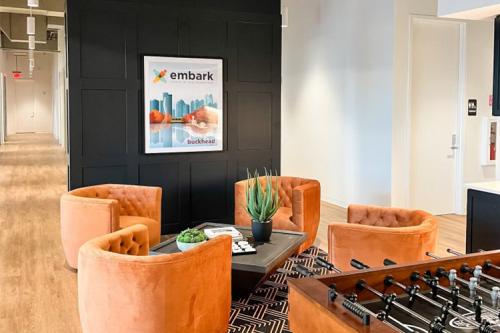



Embark Behavioral Health
3072 Early ST NW Suite 200 Atlanta, GA 30305
